The Golden Rule: Pack Half of What You Think You Need
The most common packing mistake is over-packing. Europe involves a lot of walking, and you will likely be carrying your luggage up stairs in hotels, navigating cobblestoned streets, and boarding trains regularly. A cabin-sized trolley or 20–25L backpack for carry-on is ideal for trips under 10 days. Many experienced Europe travellers swear by carry-on-only travel.
Clothing Strategy: The Capsule Wardrobe
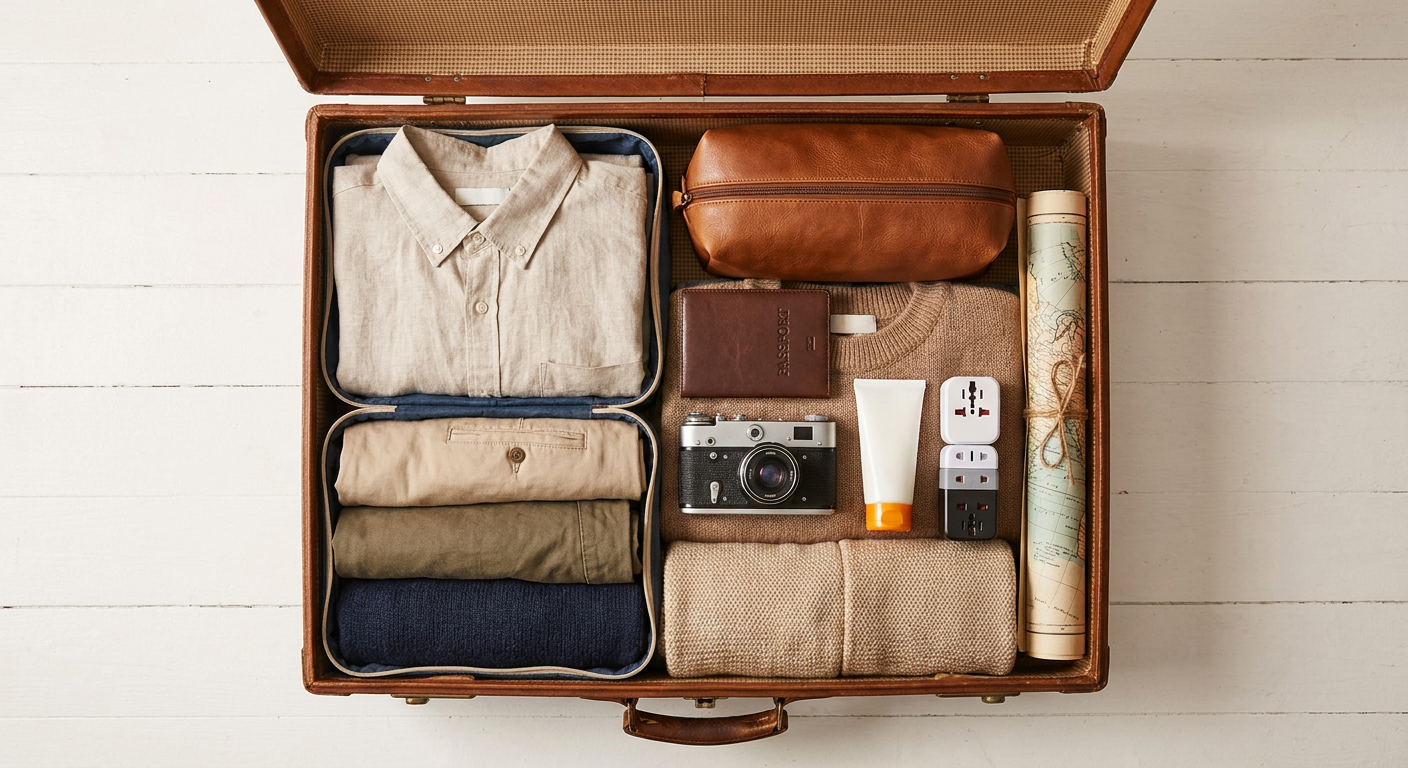
For a 10-day Europe trip, aim for 5–6 tops (mix of t-shirts and one smart shirt/blouse), 2–3 bottoms (one of which can double as evening wear), 1 versatile light jacket or blazer, 1 warm layer (fleece or thin sweater — European interiors can be cold), comfortable walking shoes (this is the most critical item), and one pair of dressier shoes. Choose neutral colours that mix and match. Packing cubes are transformative for organisation.
Documents and Money
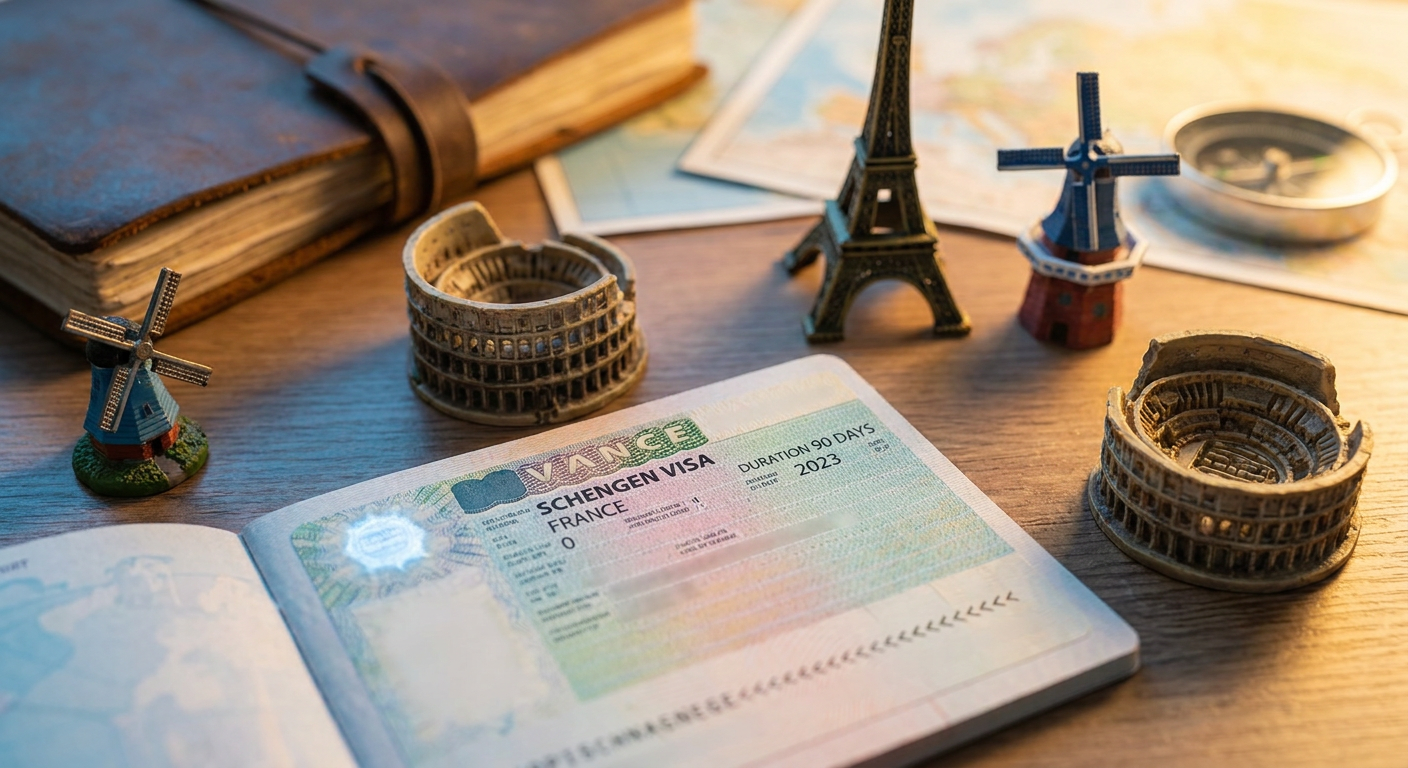
Your Schengen visa, passport, and photocopies should travel in a neck pouch or hidden pocket. Carry a mix of Euros in cash (ATMs are widely available but have fees), an international debit/credit card (Niyo Global or Wise are popular with Indian travellers for low forex fees), and your travel insurance documents. Digital copies of all documents in Google Drive or email are essential backup.
Electronics Checklist
Europe uses Type C power sockets (round two-pin) — carry a universal adapter. Essential electronics: smartphone (download offline maps, translation apps), power bank (minimum 10,000mAh), universal adapter, earphones, and a lightweight travel camera if you prefer better quality than smartphone photography. An international SIM card or a local SIM from the airport saves significantly on data roaming charges.
Toiletries — The TSA/Airline Rule
If travelling carry-on only, all liquids must be under 100ml in a transparent zip-lock bag. Most European hotels and hostels provide basic toiletries. Essentials to pack: sunscreen (SPF 50 — European sun can be harsh), lip balm, hand sanitiser, basic medicines (antihistamines, antacids, pain relief), and any prescription medications with doctor's note. Leave full-size bottles at home.
Footwear — The Most Important Decision
You will walk 15,000–25,000 steps per day in Europe. Your feet will determine whether your trip is joyful or miserable. Invest in well-broken-in, comfortable walking shoes — NOT new shoes purchased specifically for the trip. Trainers or walking shoes with good arch support are ideal. If you want to visit upscale restaurants or opera, pack one pair of compact dress shoes. Sandals are fine for summer travel.
What NOT to Pack
Things you can leave home: hair dryer (hotels provide them), thick heavy books (use e-readers), full toiletry bottles, more than one formal outfit, excessive jewellery (security and theft risk), and anything you are not prepared to lose. Europe's fashion capitals have excellent shopping — leave room in your bag for things you will buy.
Packing List Summary
Luggage: 1 cabin trolley or 25L backpack. Clothing: 5–6 tops, 2–3 bottoms, 1 jacket, 1 warm layer, underwear and socks for each day. Shoes: 1 pair walking shoes, 1 optional dress shoes. Documents: Passport, visa, insurance, cards, cash. Tech: Phone, adapter, power bank, earphones. Toiletries: Sunscreen, lip balm, medicines, hygiene kit (under 100ml each). Extras: Packing cubes, neck pouch, small daypack for sightseeing.