Family Travel — The Joyful Challenge
Travelling with children is one of life's greatest joys — and occasionally its greatest challenges. The right destination, the right planning, and the right attitude transform a potentially stressful family trip into memories that your children will carry for a lifetime. Here is our comprehensive guide from 20 years of planning family holidays for Indian families.
Best Destinations for Indian Families
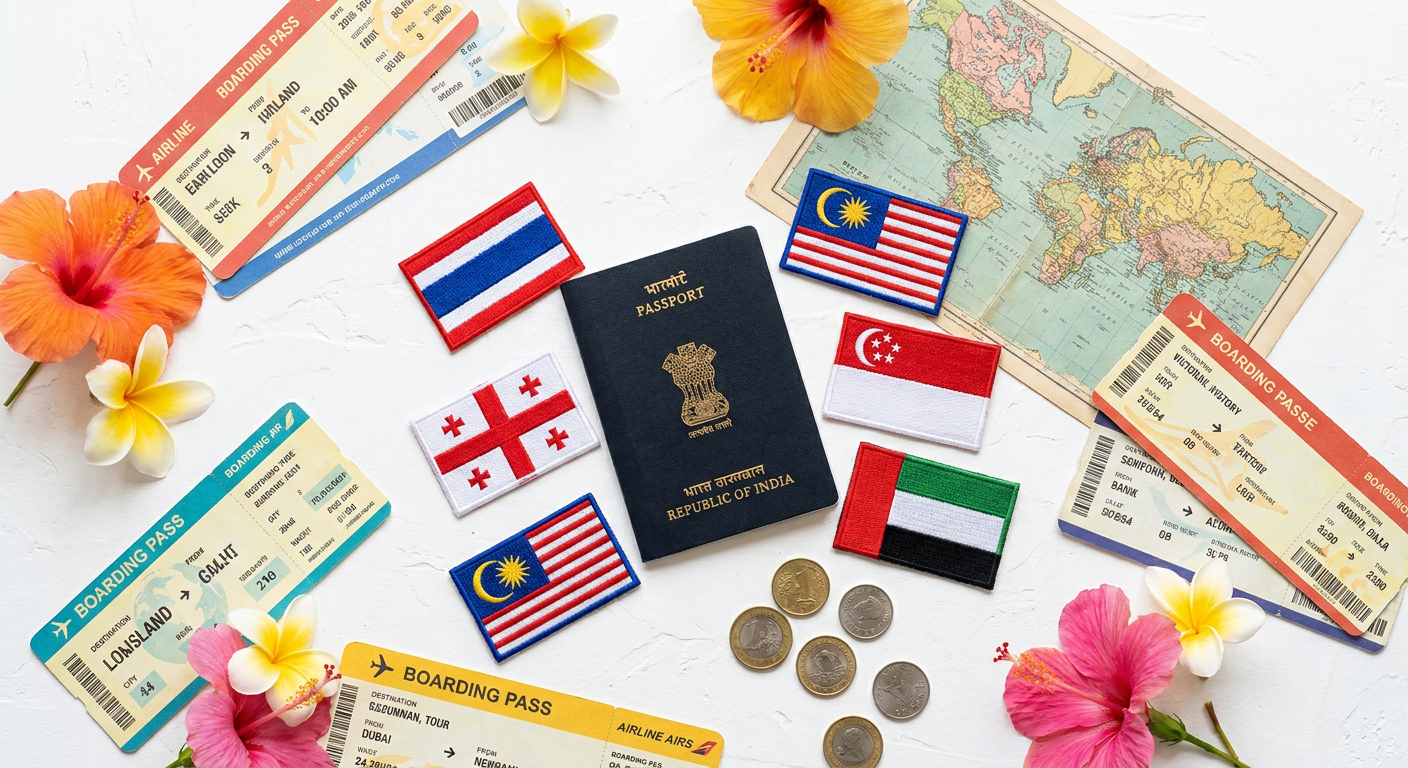
Top family-friendly destinations for Indian travellers: Singapore (excellent for children of all ages — Universal Studios, Science Centre, Night Safari, Sentosa Island), Thailand (beaches + cultural experiences + easy food for picky eaters), Dubai (theme parks, beach, Legoland, IMG Worlds), Bali (culture, rice terraces, water parks at Waterbom), Malaysia (KL tower, theme parks, Penang food adventures), and Kerala or Rajasthan for domestic family trips.
Age-Appropriate Destination Choices
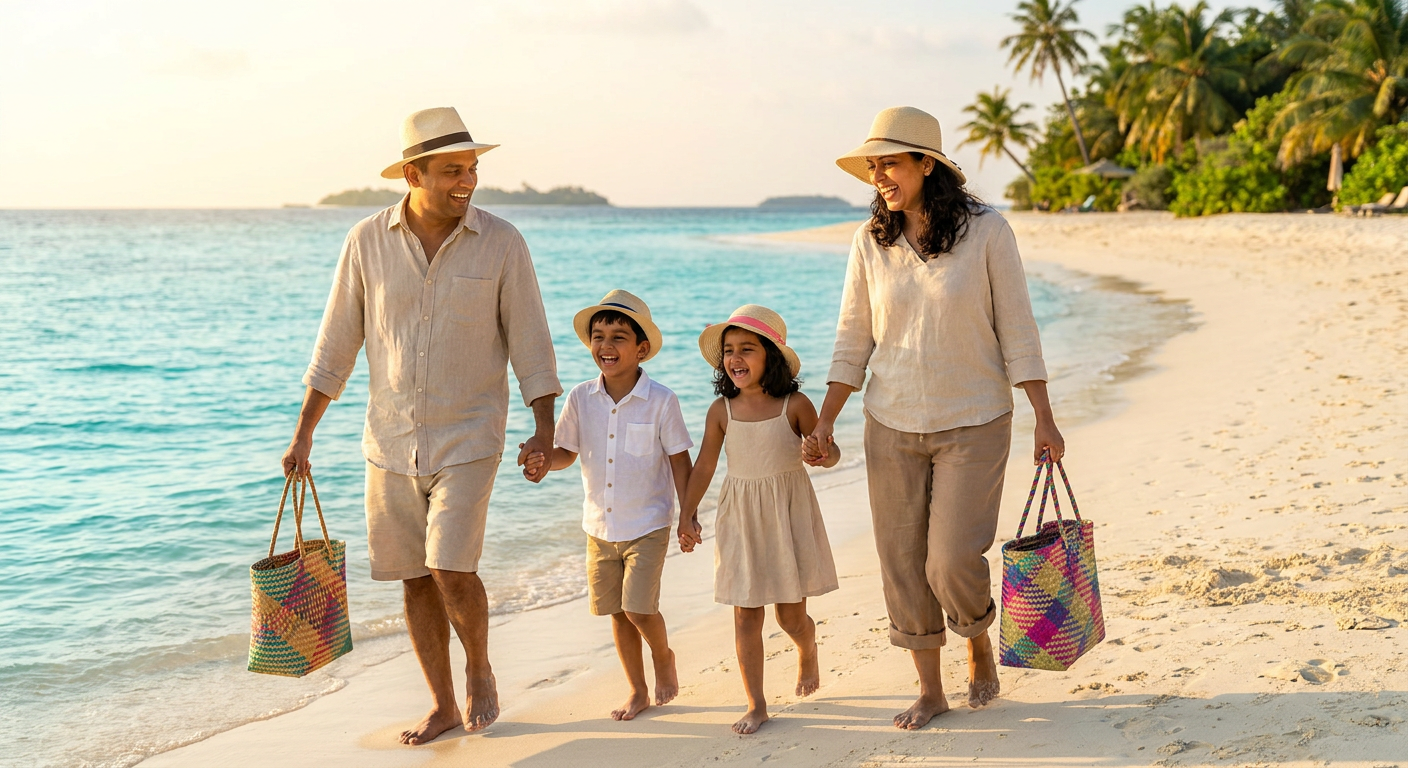
Toddlers (1–3 years): Close destinations with minimal flying — Sri Lanka, Goa, Kerala, Maldives. Easy itineraries, familiar food, pool-focused. Young children (4–8 years): Theme parks are a priority — Singapore Universal Studios, Dubai Legoland, Orlando's Disney World. Older children (9–14 years): Historical and adventure destinations work well — Europe, Japan, USA. Teenagers (15+): Mix of adventure, culture, and social experiences — backpacking through Southeast Asia, European rail trips.
Planning Essentials for Family Travel
Book direct flights where possible — a layover with young children adds enormous stress. Choose hotels with family rooms rather than two separate rooms when possible. Research child-friendly restaurants in advance — apps like Google Maps and TripAdvisor let you filter for family-friendly options. Build in at least one completely unstructured day per week of travel where you follow the children's pace rather than a fixed itinerary.
What to Pack for Children
Essential items for family travel: each child's own small backpack with activities for the flight, favourite snacks (international flights especially), any required medications with doctor's prescription, first aid kit (fever medicine, ORS, band-aids, antiseptic), comfortable walking shoes for children, a portable sound machine for younger children who struggle with sleep in new environments, and familiar comfort items (stuffed toy, blanket).
Managing Food Challenges
Indian children can be particular about food — and that is perfectly normal. Southeast Asian destinations (Thailand, Singapore, Malaysia) have abundant rice dishes, plain noodles, and familiar flavours. European destinations can be trickier — research Indian restaurants near your hotels in advance. Always carry dry snacks from home. Large supermarkets in most destinations stock bread, fruit, biscuits, and familiar items.
Health and Safety Abroad
Always purchase travel insurance that covers children fully, including medical evacuation. Carry enough of any regular medication plus extras. Register with your hotel's front desk the nearest good hospital or clinic. Sun protection is critical in beach and equatorial destinations — apply SPF 50 every two hours. Hydration is equally important in hot climates.
Making Memories, Not Just Ticking Boxes
The best family holidays prioritise experiences over attractions. Let children lead occasionally — if they want to spend three hours in a playground rather than visiting a museum, that playground IS the experience. Involve children in planning appropriate to their age. Build in downtime — overtired children and overtired parents make for unhappy holidays. The best family trip is one where everyone comes home wanting to go again.